

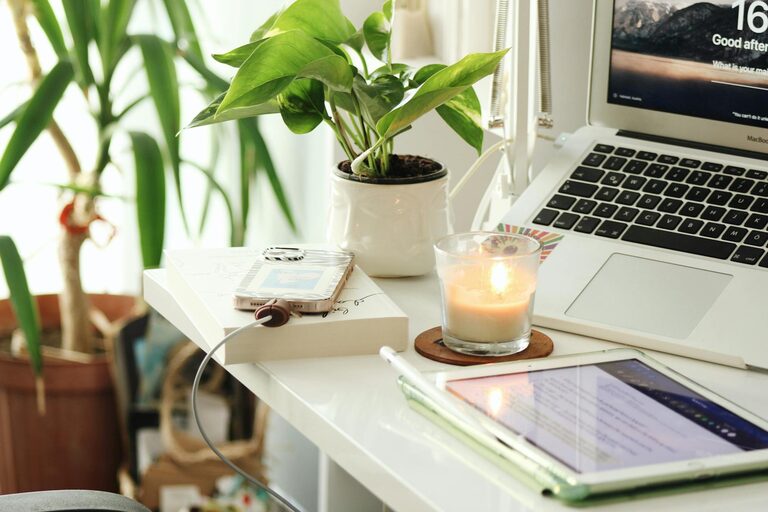
Working from home has become a common part of life for many, and having a productive home office space can make a significant difference to your focus and satisfaction throughout the day. Whether you’re a freelancer, a remote employee, or someone who occasionally works from home, organising your workspace thoughtfully can help you maintain motivation and reduce distractions.
In this post, we’ll explore several practical tips to help you create an effective home office space designed for productivity and comfort.
1. Choose the Right Location
Selecting the right spot in your home for your office is the first step towards productivity.
– Quiet and Private: Ideally, pick a room or corner away from high-traffic areas to minimise noise and interruptions.
– Natural Light: Position your desk near a window if possible, as daylight can improve mood and reduce eye strain.
– Space: Ensure you have enough room for essential furniture and to move comfortably.
2. Invest in Comfortable and Functional Furniture
Your furniture greatly impacts your comfort and health during work hours.
– Ergonomic Chair: Choose a chair with good lumbar support and adjustable features to promote good posture.
– Desk Size: Opt for a desk that fits your work equipment without clutter; a larger surface allows for better organisation.
– Storage: Shelves, drawers, or filing cabinets will help keep your essentials within reach and your workspace tidy.
3. Pay Attention to Lighting
Proper lighting reduces eye strain and keeps you alert.
– Layered Lighting: Combine natural light, overhead lighting, and a desk lamp to suit different times of the day.
– Avoid Glare: Position screens and lights to prevent reflections on your computer monitor.
– Warm vs Cool Light: Cooler white light is often best for productivity, simulating daylight and helping concentration.
4. Organise Your Workspace Efficiently
An organised desk supports focus and reduces stress.
– Declutter Regularly: Keep only necessary items on your desk and store the rest.
– Cable Management: Use clips or cable organisers to prevent tangled wires.
– Use Organisers: Pen holders, trays, and document stands can keep things orderly.
5. Personalise Your Environment
Adding personal touches can make your office feel welcoming and motivating.
– Plants: Small indoor plants improve air quality and add a calming green element.
– Artwork or Photos: Display images that inspire or relax you.
– Comfort Items: A cushion, blanket, or a favourite mug can boost comfort and mood.
6. Minimise Distractions
It’s important to create boundaries that help you stay focused during work hours.
– Use Headphones: Noise-cancelling headphones or background music can block out household noise.
– Set Boundaries: Inform family or housemates of your working times to avoid interruptions.
– Turn Off Notifications: Limit phone and social media alerts when concentrating on tasks.
7. Maintain Good Air Quality and Temperature
A comfortable atmosphere supports both physical comfort and concentration.
– Ventilation: Open a window regularly or use an air purifier to ensure fresh air circulation.
– Temperature: Keep your room at a comfortable temperature, ideally between 20-22°C.
– Humidity: Consider a humidifier if your home is dry, especially in winter.
8. Optimise Technology Setup
Having reliable technology is essential for smooth work.
– High-Speed Internet: Ensure your connection is fast and stable.
– Quality Equipment: Invest in a good monitor, keyboard, and mouse to reduce strain.
– Backup Solutions: Use cloud storage or external drives to protect your work.
9. Establish a Routine and Take Breaks
Creating productive habits can improve focus and reduce fatigue.
– Regular Hours: Try to start and finish work at set times.
– Breaks: Take short breaks every hour to stretch and refresh your mind.
– Movement: Incorporate light exercises or walking to stay active.
10. Keep Reviewing and Improving Your Setup
Your home office needs may change over time.
– Assess Regularly: Periodically evaluate your setup to see what works and what doesn’t.
– Adapt: Make adjustments based on feedback from yourself about comfort and productivity.
– Stay Informed: Keep up with new ideas or tools that could enhance your workspace.
—
Creating a productive home office is a combination of comfort, organisation, and good habits. By choosing the right location, investing in good furniture, and reducing distractions, you can make your home office a place where you enjoy working and perform at your best. Remember, a well-designed workspace benefits not just your productivity but also your overall wellbeing.