

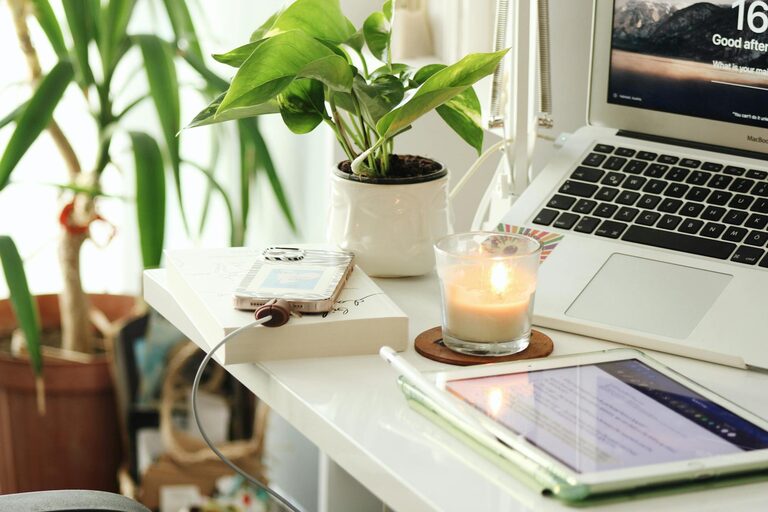
Creating a home office that is both relaxing and productive can significantly enhance your work-from-home experience. A well-designed environment encourages focus, reduces stress, and allows you to work efficiently. Whether you have a dedicated room or a small corner, these tips will help you craft a workspace tailored to your needs.
Choose the Right Location
Selecting the right spot is the foundation of your home office.
– Natural Light: Aim for a workspace near windows to benefit from natural light. This not only helps reduce eye strain but also improves mood and energy.
– Privacy: Find a quiet area where interruptions will be minimal. Inform your household if needed to avoid distractions during work hours.
– Space: Ensure there is enough room for your desk, chair, and any necessary equipment. A cramped space can affect comfort and productivity.
Invest in Comfortable and Ergonomic Furniture
Comfort is key to sustaining long periods of focus.
– Ergonomic Chair: Choose a chair that supports your back and encourages good posture. Adjustable height and lumbar support are essential features.
– Desk Height: Your desk should allow your forearms to rest parallel to the floor when typing.
– Monitor Position: Place your computer screen at eye level to prevent neck strain.
– Additional Accessories: Consider a footrest, wrist support, or standing desk converter to enhance comfort.
Organise Your Workspace
A tidy workspace limits distractions and helps maintain a clear mind.
– Declutter Regularly: Remove unnecessary items from your desk to keep your area clean.
– Storage Solutions: Use shelves, drawers, or containers to keep supplies organised and within reach.
– Cable Management: Tidy up cords with clips or cable sleeves to avoid a tangled mess.
– Personal Touches: Add a few choice items like a plant or photo to make the space inviting without overcrowding.
Control Lighting and Minimise Glare
Good lighting improves focus and reduces eye fatigue.
– Desk Lamps: Use adjustable lamps to supplement natural light, especially during darker months.
– Avoid Glare: Position screens to avoid reflecting sunlight or overhead lights.
– Warm vs Cool Light: Choose lighting that suits your preference; cooler light can feel more energising, while warmer light promotes relaxation.
Manage Noise and Distractions
Sound can either help or hinder your concentration.
– Noise-Cancelling Headphones: These can block out household noise, aiding concentration.
– Background Sounds: Some find playing soft instrumental music or white noise helpful.
– Set Boundaries: Use signals or timers to let family members know when you are working.
Incorporate Relaxing Elements
Balancing work with a calm atmosphere can improve well-being.
– Plants: Adding greenery boosts mood and air quality.
– Aromatherapy: Subtle scents like lavender or eucalyptus can promote calmness.
– Comfort Items: A soft rug, cushion, or cosy throw can make your space more welcoming.
Establish a Routine and Breaks
A consistent routine keeps you on track and prevents burnout.
– Set Working Hours: Define clear start and end times to separate work from personal life.
– Regular Breaks: Take short breaks every hour to stretch or rest your eyes.
– Movement: Standing or walking for a few minutes helps refresh your body and mind.
Use Technology Wisely
Leveraging the right tools can help streamline work.
– Productivity Apps: Use calendars, task managers, or note-taking apps to stay organised.
– Good Internet Connection: Ensure your Wi-Fi is reliable to avoid disruptions.
– Backup Devices: Keep chargers or spare equipment handy to minimise downtime.
Keep it Personal but Professional
Your home office should feel unique to you but also reflect a professional mindset.
– Dress Code: Even working from home, dressing suitably helps shift into work mode.
– Work-Only Zone: Limit activities like eating or watching TV in your office to maintain focus.
– Motivational Elements: Display inspiring quotes or goals to stay motivated.
—
Designing a home office that balances relaxation and productivity is a personal journey. By considering your needs and lifestyle, you can create a space that supports your work and well-being alike. Remember, small adjustments can make a big difference in how you feel and perform throughout the day.