

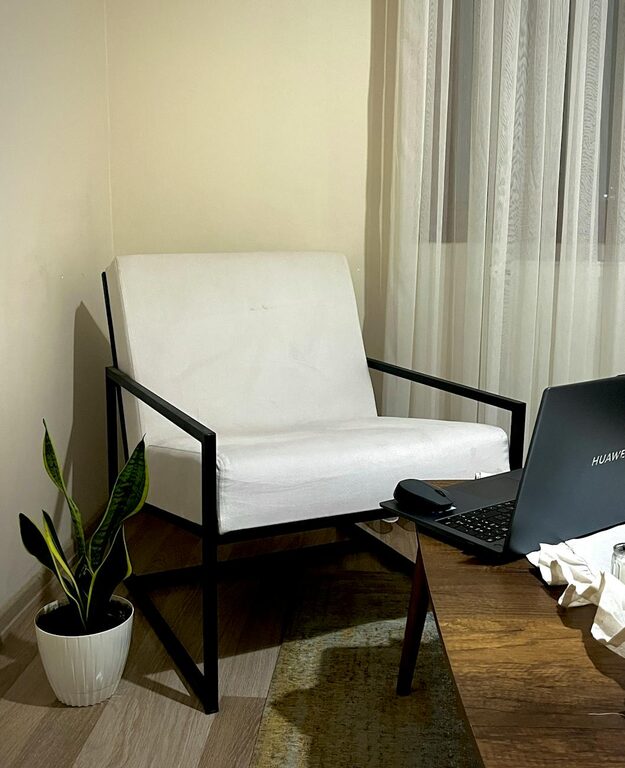
Creating a cosy and inviting home office space is essential when you spend a significant part of your day working from home. A well-designed workspace can improve your mood, enhance concentration, and increase productivity. Whether you have a dedicated room, a corner in the living area, or just a small nook, there are plenty of ways to transform it into a place you love.
In this post, we’ll explore practical tips and ideas to help you create a welcoming home office environment that suits your style and needs.
Choose the Right Location
The first step in setting up your home office is deciding on the best spot. Ideally, this will be a quiet area with minimal distractions and good natural light.
– Consider natural light: Position your desk near a window if possible. Natural light reduces eye strain and creates a more uplifting atmosphere.
– Minimise noise and interruptions: Try to find a corner away from busy household areas or use noise-cancelling headphones if this isn’t possible.
– Think about space: Ensure there’s enough room for your desk, chair, and storage. Avoid cramped spaces that may make you feel confined.
Invest in Comfortable Furniture
Comfort is key for long work hours. Choosing ergonomic furniture helps prevent discomfort and keeps you motivated.
– Ergonomic chair: Look for a chair with adjustable height, back support, and cushioning. Your chair should support good posture.
– Desk size: Select a desk that fits your work essentials without feeling cluttered. A larger surface allows for multiple monitors or space to spread out documents.
– Additional seating: If your space allows, include a comfy chair or small sofa for breaks and brainstorming sessions.
Create an Organised and Functional Layout
A tidy, well-arranged workspace reduces stress and keeps you focused.
– Storage solutions: Use shelves, drawers, or desktop organisers to keep supplies and paperwork in order.
– Cable management: Hide or organise cables to avoid a messy look.
– Keep essentials close: Place frequently used items within arm’s reach to minimise distractions.
Add Personal Touches
Making your office feel personal and welcoming can boost your mood and creativity.
– Artwork and photos: Display framed prints, posters, or family photos that inspire you.
– Plants: Adding greenery can improve air quality and create a calming environment.
– Decorative items: Choose cushions, rugs, or desk accessories in your favourite colours and styles.
Perfect Your Lighting
Good lighting is crucial for both comfort and productivity.
– Natural light: Make the most of daylight but avoid glare on screens by positioning your desk sideways to windows.
– Task lighting: Use an adjustable desk lamp to illuminate your work area effectively.
– Ambient lighting: Soft background lighting can reduce eye strain and create a cosy atmosphere.
Choose Soothing Colours
Colour affects mood and concentration, so select shades that create a calming and inviting space.
– Neutral tones: Soft whites, creams, or greys create a clean and open feel.
– Accent colours: Add touches of pastel blues, greens, or warm colours to energise the room subtly.
– Avoid harsh contrasts: Balanced colour schemes help maintain focus without overwhelm.
Incorporate Practical Technology
Make sure your technology supports your work without cluttering your space.
– High-quality equipment: Invest in a good computer, keyboard, and mouse to improve comfort and efficiency.
– Wireless devices: Reduce wires with wireless keyboards, mice, and headphones.
– Charging stations: Set up a dedicated spot to charge devices neatly.
Consider Temperature and Air Quality
A comfortable temperature and fresh air are important for concentration.
– Heating and cooling: Use portable heaters or fans as needed to maintain a pleasant temperature.
– Ventilation: Open windows when possible or use air purifiers to keep the air fresh.
– Humidity: Maintain moderate humidity to prevent dryness or discomfort.
Establish Boundaries and Routine
Finally, setting clear boundaries helps keep your work life balanced.
– Define your space: Use room dividers or rugs to visually separate your office from living areas.
– Set working hours: Keep regular hours and take breaks to avoid burnout.
– Dress for work: Dressing as if you were going to the office can mentally prepare you for the day ahead.
—
Creating a cosy and inviting home office is all about combining comfort, functionality, and personal style. By making thoughtful choices in location, furniture, lighting, and decor, you can design a workspace that supports your well-being and productivity. Start with small changes and adjust as you learn what works best for you.
With these tips, your home office will soon become a favourite space where work doesn’t feel like work at all.